
mon belief, and it’s understandable. Italy has a strong food culture, a reputation for quality, and stricter agricultural regulations than many other countries.
However, this statement is not entirely accurate.
Let’s clarify the facts calmly, respectfully, and based on evidence, because understanding what’s really in our flour matters for both health, sourdough health benefits, and baking quality that we teach in our Sourdough Bread Class Gold Coast & Brisbane.
Table of Content
1. Why People Believe Italian Flour Is Glyphosate-Free

Italy, and Europe in general, does have stricter agricultural regulations compared to countries like the United States or Canada.
One important rule is this:
👉 Italy does not allow glyphosate to be sprayed just before harvest as a drying agent.
This practice, known as pre-harvest desiccation, is commonly used in some countries to:
- Dry crops evenly
- Speed up harvesting
- Improve logistics
Italy has banned this practice, and that’s a very positive step.
This is where the belief originates, especially among people searching for gluten intolerance solutions or healthier bread.
But this leads to a common misunderstanding.
2. No Pre-Harvest Spraying ≠ Glyphosate-Free Flour
Here’s the crucial clarification:
Not spraying glyphosate just before harvest does NOT mean Italian flour is free from glyphosate.
Why?
- Glyphosate can still be used earlier in the growing season
- Italy imports a large percentage of its wheat
- Much of that imported wheat comes from countries where glyphosate is used, including pre-harvest desiccation
As a result, the country of origin alone is not a guarantee.
In fact, laboratory testing has found glyphosate residues in some Italian wheat and pasta products, particularly when imported wheat is involved.
This isn’t opinion, it’s documented evidence.
This is why we teach our students in our sourdough course to look beyond labels and marketing.
3. Europe’s Official Position on Glyphosate
European food safety authorities, including EFSA, have reviewed glyphosate multiple times.
👉 Glyphosate is currently approved for use in Europe within strict regulatory limits.
This does not mean glyphosate is harmless.
What it means is:
- Regulators believe that residues below specific limits do not pose an unacceptable risk based on current evidence
- This is a risk-assessment decision, not a declaration of safety in all contexts
So when people say, “Europe says glyphosate is safe,” what they really mean is:
Europe allows it under controlled conditions.
That distinction matters, especially for people dealing with gluten intolerance or seeking gluten free or fermented alternatives.
4. What Actually Makes the Difference: Organic Certification
If the goal is to avoid glyphosate residues as much as possible, the most reliable solution is simple:
👉 Certified organic grain.
Organic standards:
- Prohibit glyphosate at any stage
- Apply regardless of country of origin
- Are independently audited
Scientific studies consistently show that organic flour contains significantly lower pesticide residues compared to conventional flour.
This is why in every Sourdough workshop Gold Coast and sourdough class we prioritise certified organic flours and ancient grains.
You can also find these in our sourdough online shop Australia , including:
- sourdough starter kit
- certified organic flours
- ancient grains
- proofing basket
- bread lame
- and essential sourdough tools
5. The Hidden Issue Nobody Talks About: White Flour
Most commercially imported Italian flour is white baker’s flour.
During industrial milling:
- The bran is removed
- The germ is removed
And with them go:
- Most of the fibre
- Most of the minerals
- Most of the vitamins
- Most of the antioxidants
What remains is mostly starch.
So an important question needs to be asked:
What’s the point of worrying about flour origin if the flour itself has been stripped of its nutrition?
Even if there were fewer chemical residues, which is not guaranteed, the nutritional value is already significantly reduced.
This is why our academy teaches wholegrain, high-extraction, and fermented sourdough techniques in our sourdough pizza class and bread workshops.
6. Flour Is a Living Ingredient, and It Degrades
Another factor that’s often overlooked is flour freshness.
Flour degrades with:
- Time
- Oxygen
- Heat
- Moisture
Imported flour has often spent:
- Months in transport
- Time in shipping containers
- Long periods in warehouses
- Exposure to fluctuating temperatures and humidity
This leads to:
- Oxidation
- Nutrient loss
- Declining baking performance
All before the bag is even opened.
This is why we prioritise local, fresh, organic flour in our classes and in our sourdough recipes.
7. Why I Choose Local, Organic Flour
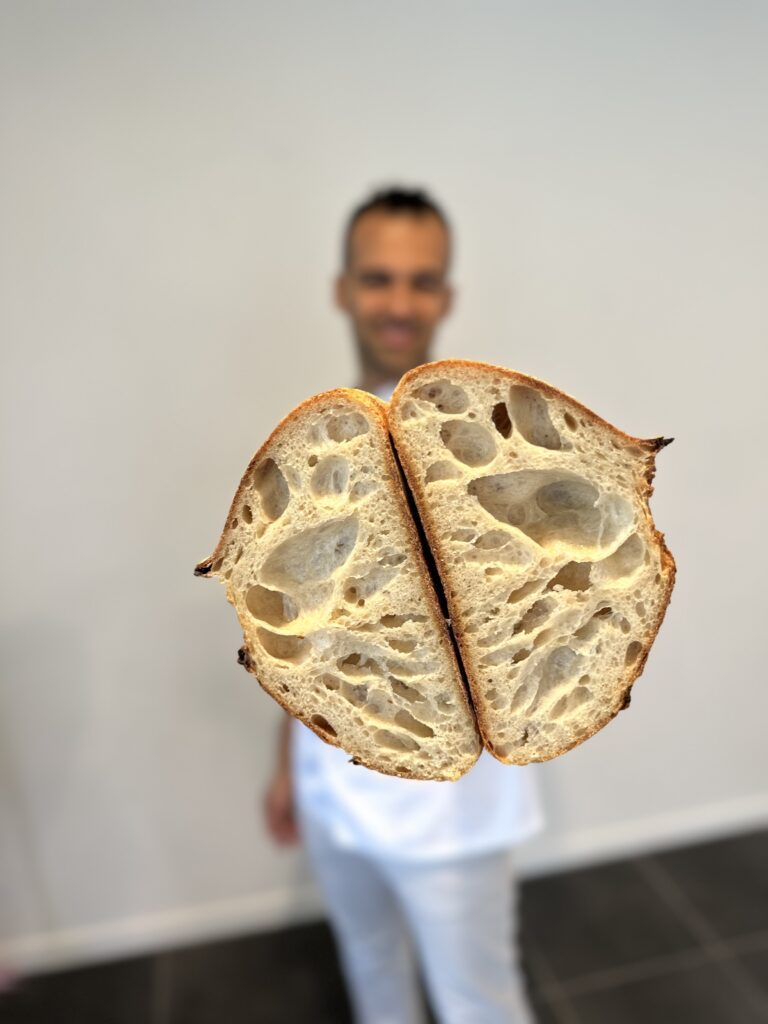
This is why I personally choose, and teach using, local, certified organic flour.
Flour that is:
- Grown closer to home
- Milled fresher
- Whole grain or high-extraction
- Free from unnecessary chemical inputs
This kind of flour:
- Performs better in sourdough
- Retains real nutrition
- Supports local farmers
- Actually feeds the body, not just the bread
This philosophy is the foundation of our Sourdough Academy.
8. Final Thoughts
This isn’t about attacking Italy.
I’m Italian, and I have a deep respect for Italian food culture.
This is about moving away from marketing myths and toward informed, evidence-based choices.
Remember:
- Italian flour does not automatically mean glyphosate-free
- White flour does not automatically mean healthy
- Organic, local, whole-grain flour is what truly makes the difference
Better information leads to better bread and better health.
Connect with The Sourdough Science Academy
📸 Instagram:https://www.instagram.com/the_sourdough_science_academy/
📘 Facebook:https://www.facebook.com/TheSourdoughScience
💼 LinkedIn (Roberto):https://www.linkedin.com/in/roberto-giammellucca-12404172
🎥 YouTube:https://www.youtube.com/@TheSourdoughScience
🎓 Free Starter Course:https://secrets.thesourdoughscience.com/free-sourdough-starter-course