

Sourdough bread has a strange way of pulling people in. It starts innocently. You see a crusty loaf on Instagram, hear someone say it’s “healthier,” and before you know it, you’re mixing flour and water on your kitchen bench, convinced you’re about to change your life.
Then reality hits.
The starter smells odd. The dough sticks to everything. The bread comes out flat, dense, or sour in a way nobody warned you about. At that point, many beginners assume sourdough is just too hard, too slow, or too unpredictable.
After teaching more than 1,500 students in Australia and online through The Sourdough Science Academy, I can tell you this with confidence: beginners don’t fail because sourdough is complicated. They fail because they make one fundamental mistake.
They focus on recipes instead of understanding fermentation.
This single misunderstanding causes almost every problem beginners face. Weak starters. Sticky dough. Poor oven spring. Digestive discomfort. Inconsistent results. And frustration that leads people to quit right before things start to make sense.
This article is not about chasing perfection or baking like a competition baker. It’s about clarity. I want to show you what actually matters, why this mistake is so common, and how you can avoid it without spending years confused or wasting ingredients.
Everything shared here comes directly from my work, my teaching, and the philosophy behind The Sourdough Science Academy. No borrowed theories. No shortcuts that don’t work.
Table of Content
The Big Mistake: Treating Sourdough Like a Recipe Instead of a Living System
Most beginners approach sourdough the same way they approach a cake or basic bread. They look for a recipe, follow it step by step, and expect the same result every time.
That approach works with commercial yeast because yeast is predictable. Sourdough is not.
Sourdough is fermentation. Fermentation is alive. It responds to time, temperature, flour quality, water, and how you handle the dough. When beginners ignore this and focus only on instructions, they lose control of the process.
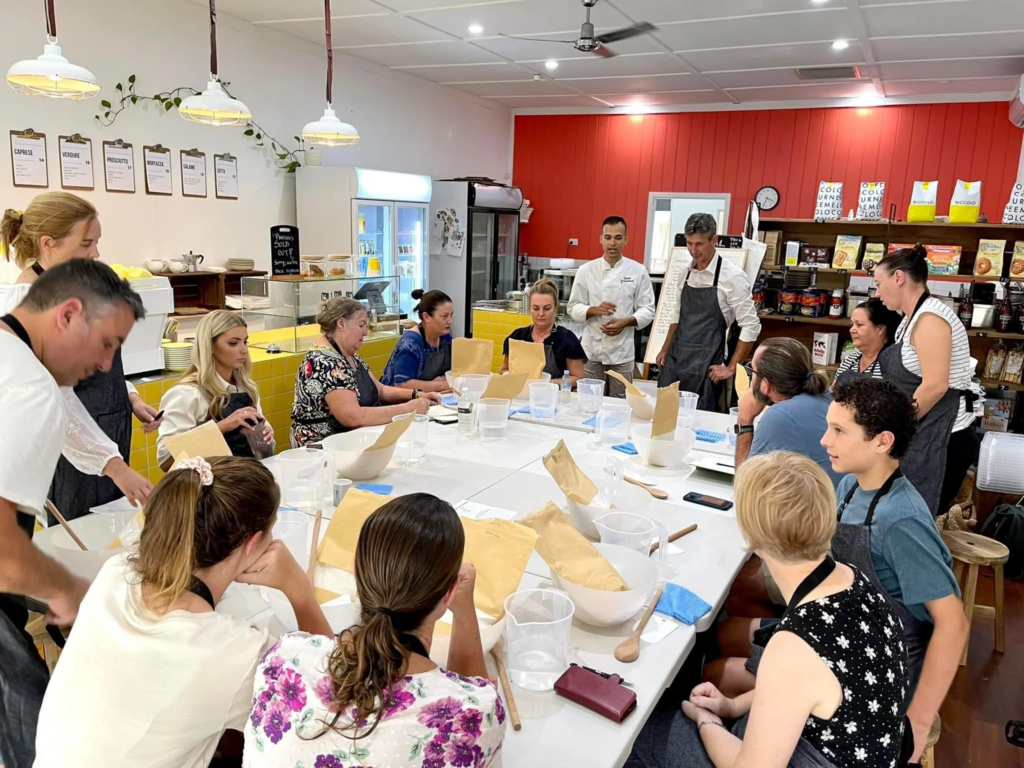
I see this every week in my classes on the Gold Coast and Brisbane and inside my online community. Someone will say, “I followed the recipe exactly, but it didn’t work.”
They did follow the recipe. What they didn’t follow was the fermentation.
Why This Mistake Happens So Often
There are three main reasons beginners fall into this trap.
1. The Internet Teaches Steps, Not Understanding
Most sourdough content online is built around formulas. Exact grams. Exact times. Exact temperatures. That information looks precise, but it creates a false sense of control.
Fermentation doesn’t care about your timer. It cares about conditions.
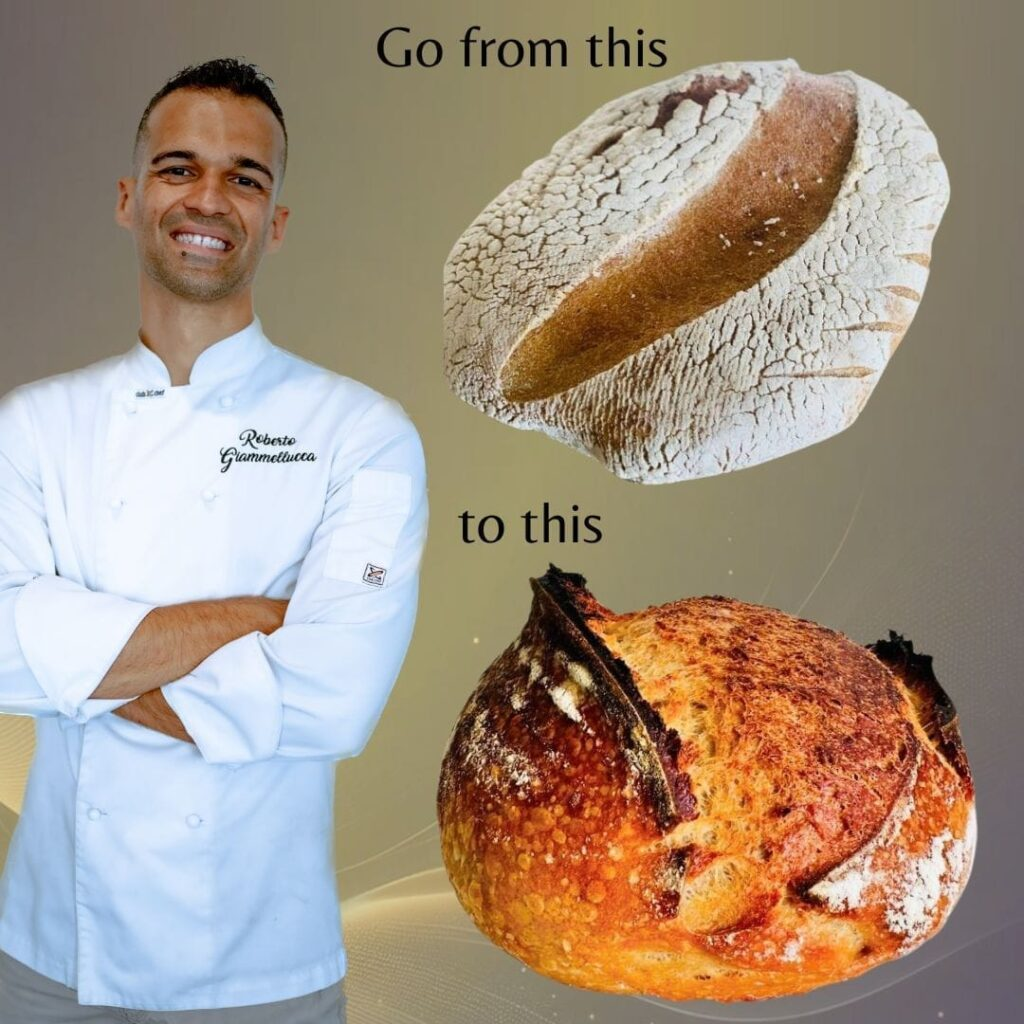
When I explain this in my free 2-hour sourdough method training, people often tell me it’s the first time sourdough actually makes sense.
2. Long Fermentation Is Treated as the Only “Correct” Way
Another common issue is the belief that longer fermentation automatically means better bread.
Long fermentation can be useful, but only if you understand how to manage it. Without that knowledge, it leads to over-fermented dough, collapsed loaves, excessive acidity, and bread that’s hard to digest.
Fermentation is not about time. It’s about balance.
3. Starters Are Overcomplicated
Beginners are often told their starter needs constant feeding, strict schedules, and endless discard. This creates stress and confusion, especially for people with busy lives.
In reality, a starter only needs to be strong and stable. Not babysat.
What Happens When You Ignore Fermentation
Let’s talk about the real-world consequences of this mistake.
Weak or Inconsistent Starters
A starter isn’t ready when it bubbles. It’s ready when it can ferment dough effectively.
Beginners often bake too early, resulting in flat bread and disappointment. Inside The Sourdough Bread Mastery Online Course, I teach how to read your starter properly, not guess.
Dense or Flat Loaves
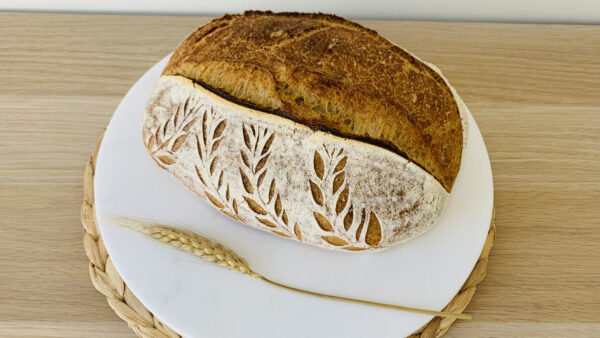
When fermentation is off, the dough either doesn’t rise enough or collapses. This has nothing to do with shaping talent. It’s about gas retention and gluten structure, both driven by fermentation.
Digestive Discomfort
One of the reasons many people turn to sourdough is digestion. But poorly fermented sourdough can still be heavy and uncomfortable.
When fermentation is managed correctly, it helps break down the gluten matrix and makes bread easier to digest. This is something I explain deeply in my health-focused lessons and workshops.
Loss of Confidence
The worst result isn’t bad bread. It’s the belief that you’re “not good at sourdough.”
That belief is almost always false.
Fermentation Is the Real Skill Beginners Need

Once you understand fermentation, everything else becomes simpler.
This is the foundation of my teaching at The Sourdough Science Academy. Whether you attend in-person workshops, online courses, or watch my free content, the goal is always the same: independence.
Not copying. Understanding.
Fermentation Is a Conversation, Not a Command
You don’t tell sourdough what to do. You observe and respond.
You learn to ask:
- How does the dough feel?
- How fast is it fermenting today?
- Does it need more time or less?
This mindset shift alone changes everything.
A Short Story From the Academy
One student came to a weekend workshop convinced sourdough wasn’t for her. She had baked for months with no success.
Within a few hours, she realized she wasn’t doing anything “wrong.” She was just following instructions without context.
When she left, she said something I hear often: “No one ever explained why before.”
That’s why The Sourdough Science exists.
Practical Tips to Avoid the Biggest Beginner Mistake
These tips come directly from my teaching, not theory.
Tip 1: Learn to Read Dough, Not the Clock
Time is a guideline, not a rule. Dough tells you when it’s ready.
Tip 2: Strengthen Your Starter Before Baking
A strong starter simplifies everything. If your starter struggles, your bread will too.
If you need help, start with the Free Sourdough Starter Course or the full Sourdough Bread Mastery Course.
Tip 3: Simpler Methods Work Better
Complicated processes don’t equal better bread. My 2-hour method exists because busy people deserve good bread too.
Tip 4: Stop Chasing Perfection
Consistency matters more than perfection. Learn one system and repeat it.
Why My Method Is Different
I’m often asked why my students succeed faster.
The answer is simple. I don’t teach recipes. I teach systems.
As an Italian pizzaiolo, qualified chef, trainer, and former TAFE teacher, my focus has always been education. Not just showing how, but explaining why.
That’s why the Sourdough Bread Mastery Course includes:
- 7 structured modules
- Science-backed fermentation lessons
- Personalized feedback
- Lifetime access
- A private Facebook support group
And yes, real people, real results.
Learning Beyond Bread

Sourdough isn’t just bread. At The Sourdough Science Academy, we teach:
- Sourdough pizza
- Organic fresh pasta
- Corporate workshops and team-building via Pizza Catering
- Hands-on events across Brisbane and the Gold Coast
Learn Visually: YouTube Resources
Some people learn best by watching.
On The Sourdough Science YouTube Channel, I share tutorials, explanations, and real-time problem solving.
Two videos worth starting with:
These videos reflect exactly how I teach in person.
Community Matters More Than You Think
One of the biggest reasons beginners struggle is isolation.
Inside our private community and on social platforms like Instagram, Facebook, and LinkedIn, students share progress, ask questions, and support each other.
Learning alone is harder than it needs to be.
The Real Takeaway
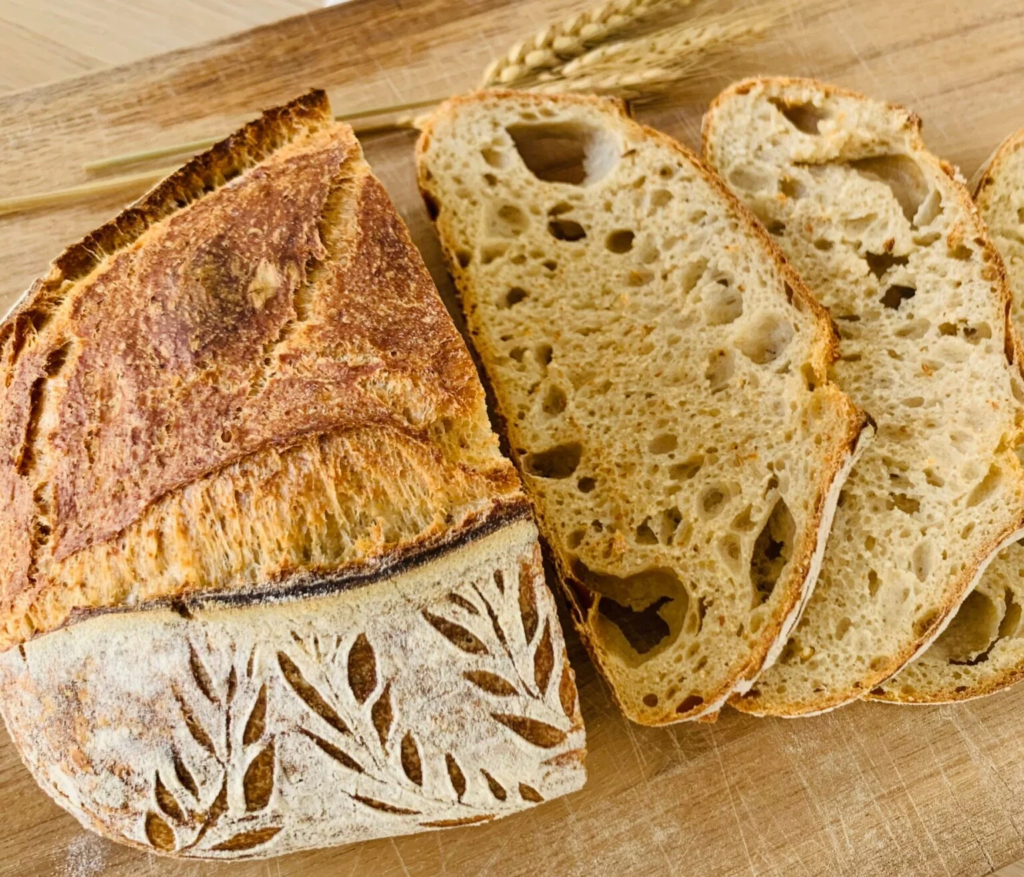
The biggest mistake beginners make with sourdough bread isn’t lack of talent, bad hands, or wrong flour.
It’s ignoring fermentation.
Once you stop treating sourdough like a recipe and start treating it like a living process, everything changes. Bread becomes predictable. Enjoyable. Digestible.
And most importantly, yours.
If you’re ready to learn sourdough the right way, with clarity and support, explore The Sourdough Science, join a class, watch the free training, or simply start observing your dough more closely.